Table of Contents
Why immune defence matters in winter
We can put on a full body suit to protect ourselves but how do we protect from the usual coughs and colds this winter. It’s helpful to learn the art of anti-viral defence as any virus could lay you low for a week or more.
What weakens your immune system
The body is more likely to catch a viral infection if there is already a weakened immune system. This could be due to stress, poor diet, environmental toxins, allergies or insomnia (Morey et al., 2020)
. You need to build up your immune system from within so that your body can withstand an invasion by unfriendly bugs.
Building immunity through diet and lifestyle
The best way to start; is by de-stressing your environment, catching up on sleep and boosting your immune system with the right food and supplements (Calder et al., 2020)
. Fresh fruit and vegetables are important because they contain plenty of vitamins and minerals to keep us healthy. Red, orange and yellow-coloured fruit and vegetables (carrots, beetroot, sweet potato, pumpkin, apricots, oranges) all provide beta-carotene which acts as the first line of defence in helping to maintain strong internal membranes (Hughes, 2000)
. Keep your body hydrated with plenty of filtered fresh water, juices or herb teas. Hot chicken or turkey broth is an excellent remedy to help clear congestion. Protein in sufficient quantities is important, so eat fish, seeds, lentils, beans and whole grains such as brown rice.
Foods to avoid for better immunity
Too much dairy produce, meat and soya can, however, encourage mucus production and a diet high in fats clog up the lymphatic system (Kalhoff & Kersting, 2008)
. Best to avoid foods that you are allergic to, also alcohol, tobacco, coffee and sugar.
How vitamin C fights viral infections
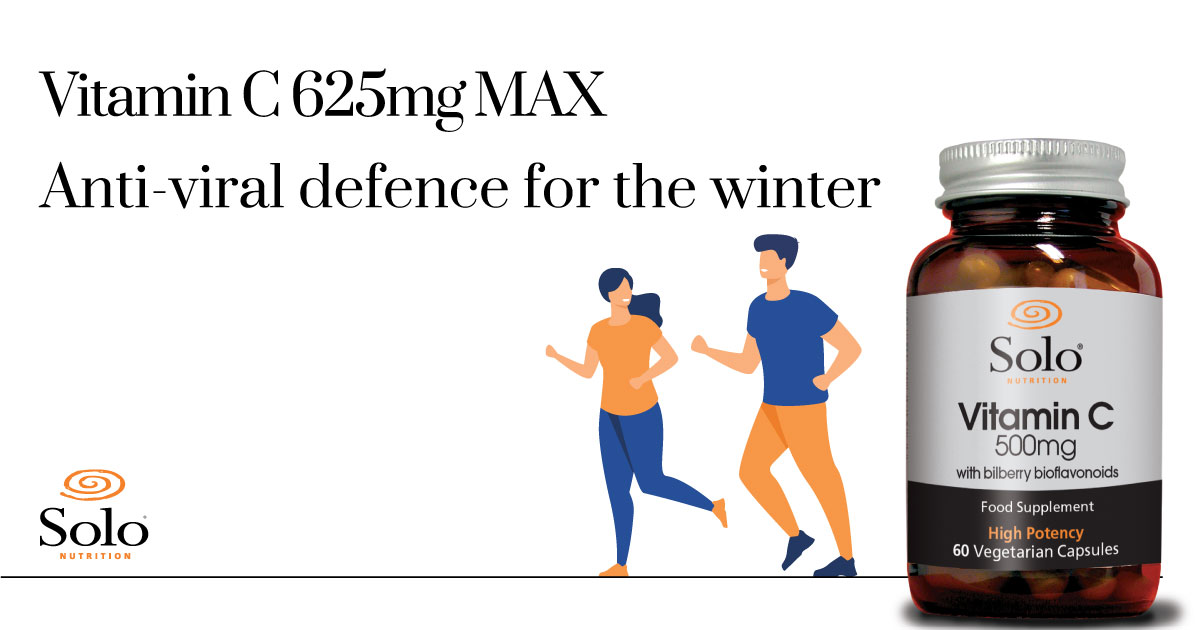
When you feel you have been invaded by one of these bugs, you start to feel the familiar but unwelcome symptoms of a sore throat, thick head and heavy muscles. Now is the time to reach for the vitamin C, which will help boost the immune system because it is anti-viral and anti-bacterial (Hemilä & Chalker, 2017)
.
Recommended vitamin C dosage for cold symptoms
A good remedy as soon as you feel these symptoms is to take at least a gram of vitamin C every few hours for 24 hours then gradually lessen the dose over the next few days (Hemilä & Chalker, 2013)
.
Are there any side effects?
Taking large amounts of vitamin C over a short period of time means there are little or no side effects. Loose bowels are the only effect, but this will be the body getting rid of waste material and the bugs (Johnston, 2000)
.
References
- Morey, J.N., Boggero, I.A., Scott, A.B., & Segerstrom, S.C. (2020). Stress, sleep, and immunity: A review of the literature. Frontiers in Immunology, 11, 1085. doi:10.3389/fimmu.2020.01085
- Calder, P.C., Carr, A.C., Gombart, A.F., & Eggersdorfer, M. (2020). Nutritional modulation of immune function and inflammation. Journal of Allergy and Clinical Immunology, 145(3), 739-749. doi:10.1016/j.jaci.2019.12.003
- Hughes, D.A. (2000). Beta-carotene and immune function. American Journal of Clinical Nutrition, 71(6), 1658S-1664S. doi:10.1093/ajcn/71.6.1658s
- Kalhoff, H. & Kersting, M. (2008). Dietary fats and the immune system. American Journal of Clinical Nutrition, 88(2), 543S-548S. doi:10.1093/ajcn/88.2.543S
- Hemilä, H. & Chalker, E. (2017). Vitamin C for preventing and treating the common cold. Nutrients, 9(8), 958. doi:10.3390/nu9080958
- Hemilä, H. & Chalker, E. (2013). Vitamin C for preventing and treating the common cold. Cochrane Database of Systematic Reviews. doi:10.1002/14651858.CD000980.pub4
- Johnston, C.S. (2000). Vitamin C and gastrointestinal side effects. American Journal of Clinical Nutrition, 71(6), 1658S-1664S. doi:10.1093/ajcn/71.6.1658s
Nigel came into the natural products industry in 1980 working for a small vitamin/herbal company, Power Health, specialising in the food supplement side of the natural products industry. After gaining a number of years’ experience and expertise, Nigel joined Solgar Vitamins as one of their first recruits in 1989. He gained a vast array of knowledge in manufacturing and the production side of the business with Solgar. Nigel was commissioned to start two companies; Vega Nutritionals and Kudos Vitamins. This experience was invaluable when Nigel started Solo Nutrition – quality, purity, never compromised, never equalled.