Have you ever thought what happens to your food once it has been eaten? Before food can be absorbed into the blood, it must be changed into smaller molecules in order to build and nourish cells and provide us with energy. Food has a long journey through the gut—the entire digestive system is a single, hollow, muscular tube about 30 feet long. Understanding this is key to improving your digestion.
The Journey Begins: From Mouth to Stomach
Contact with food is first made with the strongest muscle in the body—the tongue. Different parts of the tongue detect whether food is sweet, sour, bitter, or salty. Early man found this was an invaluable asset. He also learned to avoid poisonous plants according to taste.
Digestion begins in the mouth, where food is mixed with enzymes in your saliva and broken down into smaller pieces. That is why chewing your food is very important. The food then travels down the oesophagus into the stomach. One or two litres of gastric acid juice are produced here each day to sterilise the gut from unfriendly bacteria, break down proteins, and liberate minerals from our food.
Many factors can disrupt the production of stomach acid. If you feel bloated and uncomfortable shortly after eating, consult a nutritionist. After the stomach empties food components into the small intestines, the juices of two other digestive organs continue the process of digestion.
The Role of the Pancreas and Liver
The pancreas produces a juice that contains a wide array of enzymes to break down carbohydrates, fats, and protein. The liver produces yet another digestive juice called bile, which is stored in the gallbladder and squeezed out at mealtimes to dissolve fat.
The liver is our body’s chemical factory and detoxification centre. It helps excrete cholesterol, drugs, and toxins; stores sugar, vitamins, and minerals; and breaks down alcohol. The liver can tolerate moderate alcohol consumption if you are healthy. Heavy drinking, however, overtaxes the liver and interferes with the distribution of oxygen and nutrients to the liver’s cells.
The Kidneys: Your Body’s Filters
The kidneys act as filters for the blood as well as regulating the body’s water content. An average adult produces about two litres of urine per day, depending on how much fluid you consume and how much is lost through sweat and breathing. Drinking plenty of water will assist your kidneys.
The Final Stage: Absorption in the Intestines
Each square inch of your intestinal wall is covered with about ten billion microscopic, hair-like projections called microvilli, which absorb nutrients into your bloodstream—unless hindered by a typical modern diet. Try to avoid excessive wheat products because, when mixed with water, flour becomes a sticky, gluey paste which makes absorption more difficult. Food should pass through the digestive system within 12 to 24 hours. Chew your food well to make its eventful journey through the digestive system less arduous.
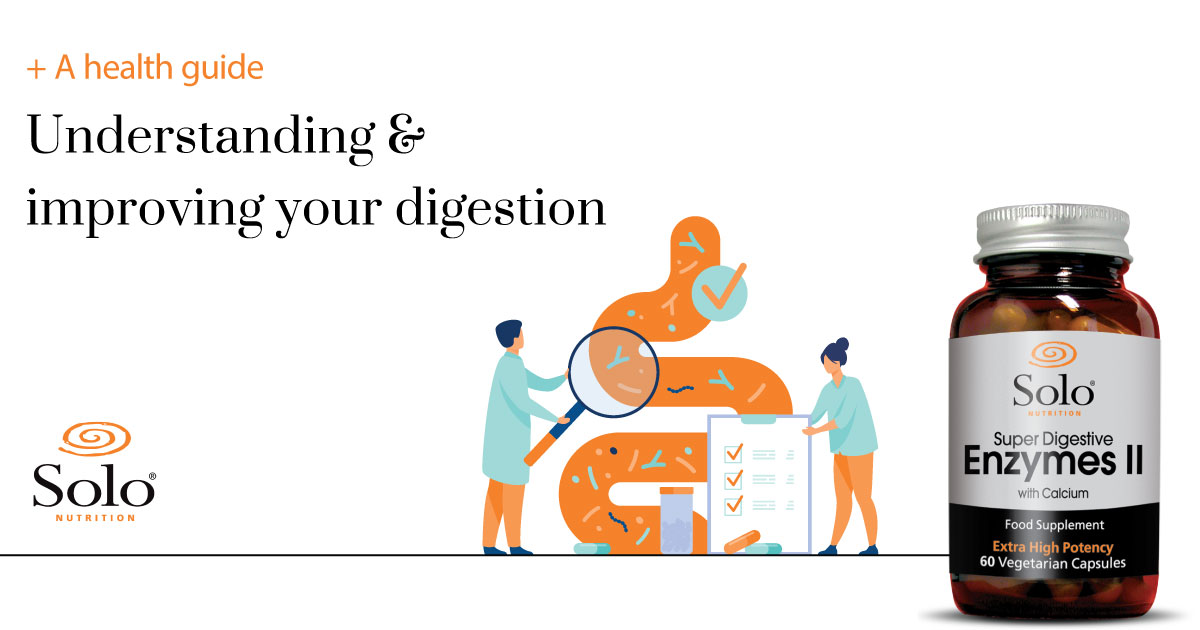
Super Digestive Enzymes II is the latest development in enzyme supplementation to assist in improving your digestion.
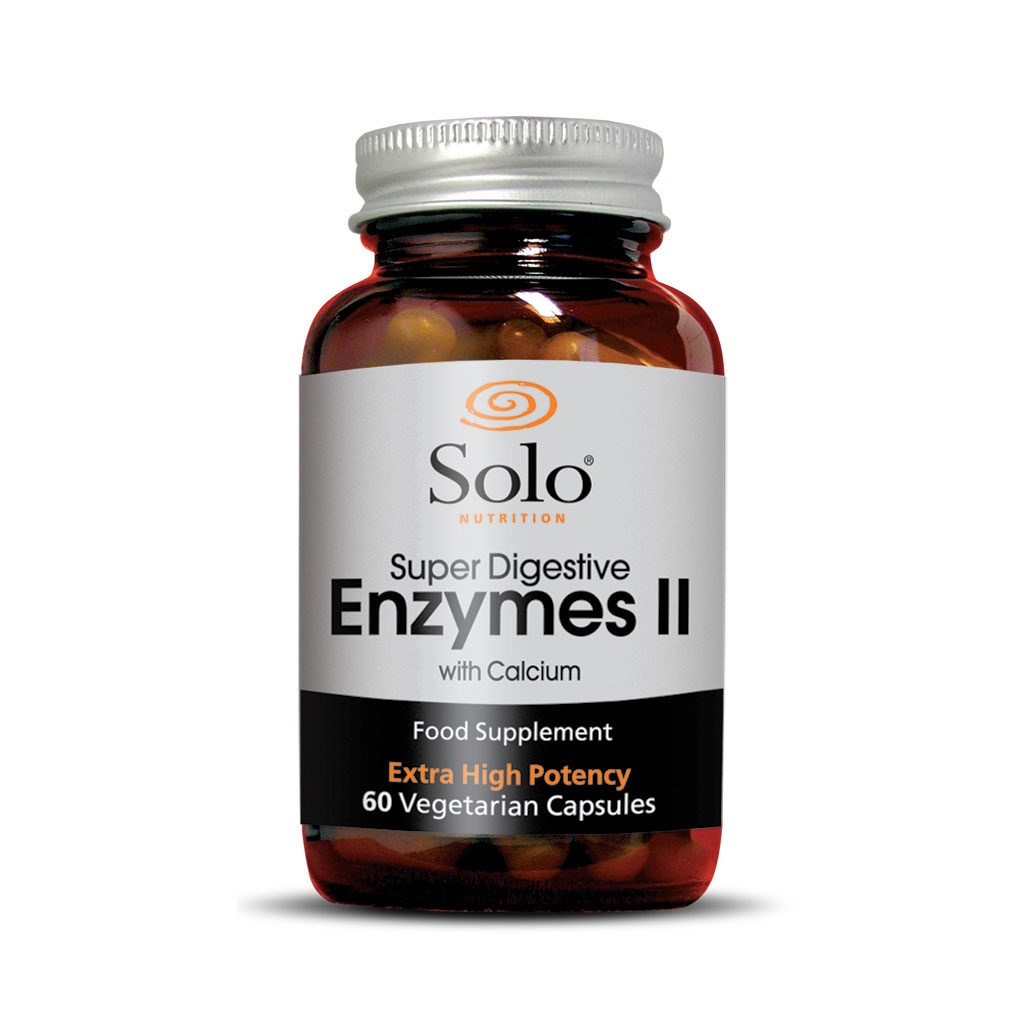
Super Digestive Enzymes II with Calcium
Super Digestive Enzymes II is the latest development in enzyme supplementation, featuring an advanced formula with a complete complement of enzymes including cellulase and maltase. Designed to help digest all food types and neutralise excess acid, it supports comfortable digestion and helps maintain digestive comfort, while being vegetarian and vegan friendly.
References
- National Institute of Diabetes and Digestive and Kidney Diseases (NIDDK). (2021). Your Digestive System & How It Works. https://www.niddk.nih.gov/health-information/digestive-diseases/digestive-system-how-it-works
- Johns Hopkins Medicine. (n.d.). The Digestive Process: What Is the Role of Your Pancreas in Digestion? https://www.hopkinsmedicine.org/health/conditions-and-diseases/the-digestive-process-what-is-the-role-of-your-pancreas-in-digestion
- National Institutes of Health (NIH) – National Library of Medicine. (2022). Physiology, Digestion. https://www.ncbi.nlm.nih.gov/books/NBK544242/
- Cleveland Clinic. (2021). How Does the Digestive System Work? https://my.clevelandclinic.org/health/body/7041-digestive-system
- Mayo Clinic. (2022). Kidneys: How They Work, How to Keep Them Healthy. https://www.mayoclinic.org/kidneys

Nigel came into the natural products industry in 1980 working for a small vitamin/herbal company, Power Health, specialising in the food supplement side of the natural products industry. After gaining a number of years’ experience and expertise, Nigel joined Solgar Vitamins as one of their first recruits in 1989. He gained a vast array of knowledge in manufacturing and the production side of the business with Solgar. Nigel was commissioned to start two companies; Vega Nutritionals and Kudos Vitamins. This experience was invaluable when Nigel started Solo Nutrition – quality, purity, never compromised, never equalled.